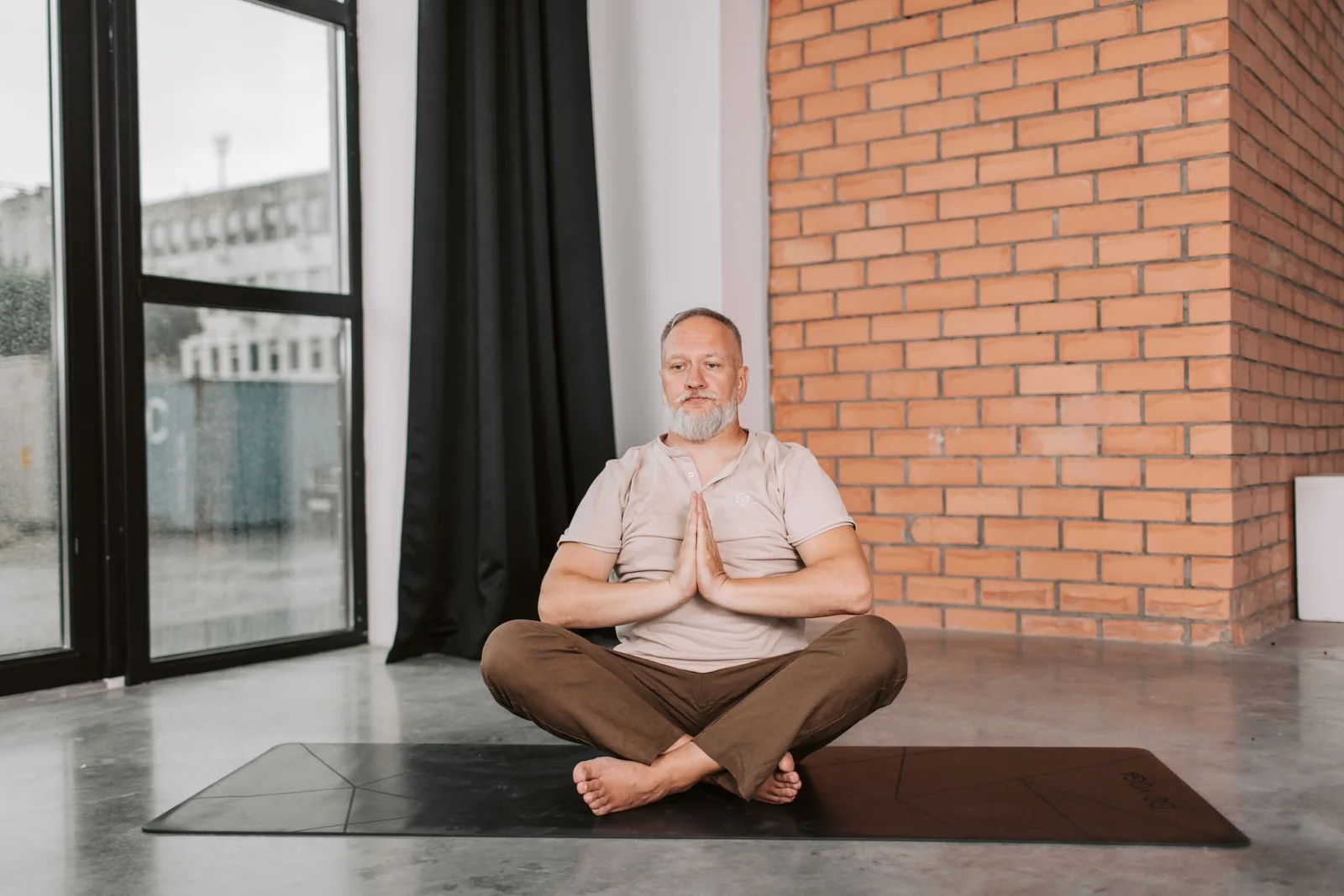
Start small, choose a comfortable pace, and build consistency one day at a time.
EVERY MORNING
5-Minute Morning Stretch
One minute of steady breathing and shoulder rolls, one minute of side bends, one minute of gentle hip hinges, one minute of calf stretches, and one minute to reach, reset, and stand tall.
Begin with five slow holds, follow with five controlled pulses, then finish with a relaxed breathing reset. Keep the effort comfortable and stop if you notice discomfort.
A useful wellness plan does not need to be complicated. Focus on a few repeatable actions across the week.
01
Mobility & Stretching
Short, controlled movements can help you feel more prepared for walking, household tasks, and the rest of the day.
02
Kegel Practice
A quiet, equipment-free routine that can be added to an existing morning or evening habit.
03
Daily Energy
Consistent wake times, daylight, balanced meals, water, and regular movement create a practical foundation.
04
Nutrients & Recovery
Learn about everyday food sources of key nutrients and pair them with a steady evening wind-down.
Nutrients of the Day
Three familiar nutrients, presented as food-first information with no brands and no exaggerated promises.
D
Vitamin D
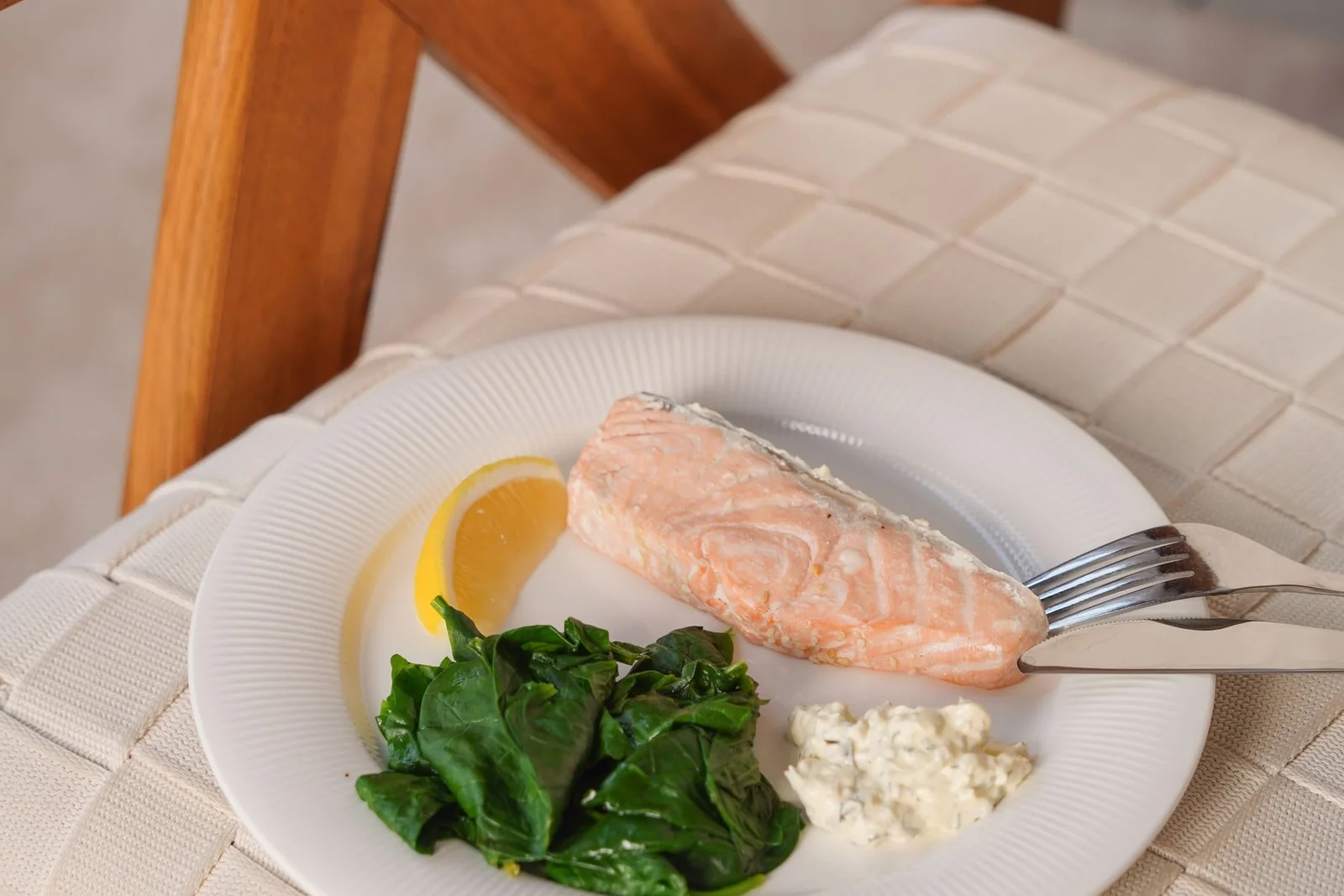
Common food sources include oily fish, egg yolks, and fortified foods. Vitamin D is involved in normal muscle and immune function.
Mg
Magnesium
Pumpkin seeds, almonds, beans, whole grains, and leafy greens are useful food sources. Magnesium supports normal muscle and nerve function.
Zn
Zinc
Shellfish, beef, poultry, beans, dairy foods, and seeds can contribute zinc to an everyday diet. Zinc supports normal immune function and protein synthesis.
Food needs vary from person to person. Use this information as a starting point and speak with a qualified healthcare professional if you have questions about your individual needs.
The most useful time is the one you can repeat consistently. Morning movement can help establish a routine, while an evening session may fit a quieter schedule. Keep vigorous activity far enough from bedtime if it makes it harder for you to settle.
How often should I stretch?+
Short, comfortable sessions can be used on most days. Avoid forcing a position, move gradually, and allow more recovery after a demanding activity.
Which foods are rich in zinc?+
Shellfish, beef, poultry, dairy foods, beans, pumpkin seeds, and other seeds are common sources. A varied diet is usually more practical than focusing on one food.
Can I split a routine into shorter sessions?+
Yes. A five-minute morning stretch and a separate walk later in the day can be easier to maintain than one long session.
Do I need special equipment?+
Most routines on this website use body weight, a stable chair, a wall, or a folded towel. A yoga mat is optional.
How can I support a healthier sleep routine?+
Keep a consistent wake time, get daylight earlier in the day, reduce bright light late in the evening, and create a short repeatable wind-down.
Build One Good Habit This Week
Choose a five-minute routine today, repeat it at a comfortable pace, and let consistency do the organising.